Yossi Feintuch: Naftali – the national unifier

The tribe of Naftali was singled out, among the tribes of Israel who were counted for battle in the Wilderness of Sinai, in a foremost subtle way, yet significant. While all tribes are referenced as ‘’For the sons of… [name of tribe], only the tribe that concludes the list (Numbers 1:32)
Yossi Feintuch: A call for human compassion

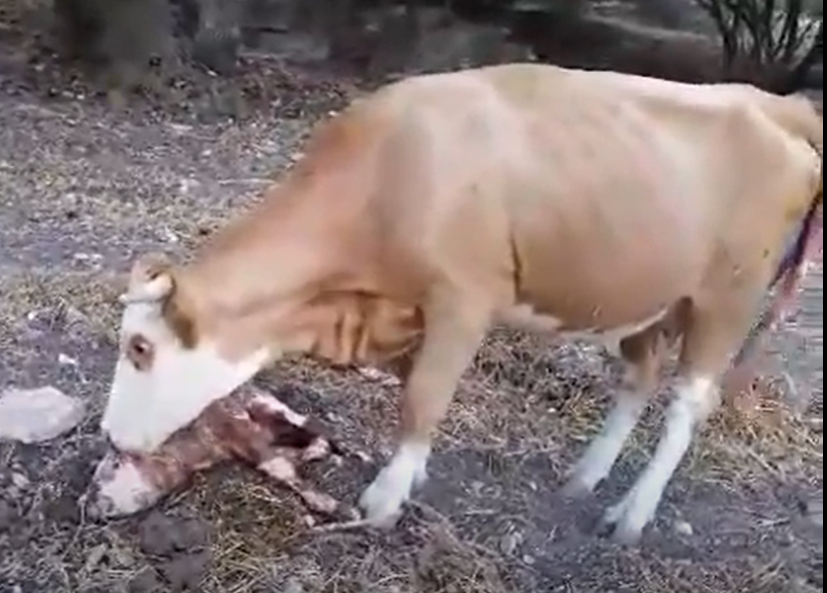
The Torah this week tries to show a degree of compassion to the bovine species, even within the realm of animal sacrifices.  Thus, a newly born calf must not be sacrificed before it is at least eight days young, if only to allow its mom a sense of motherhood, if not bonding, with its child. In comparison to the contemporary factory farm where the (dairy) calf is removed from its mother moments after its birth with evident days-lasting anguish to both, the Torah seems to recognize here the need of the mother bovine to nurture its child.

Yossi Feintuch: "Uvacharta ba-hayim" – on "Choose life" according to the Torah

All other Mitzvot may be surrendered then if fulfilling them are likely to bring about the death of the observer. As we can deduce then from that Levitical verse in our weekly portion the religion of the Torah is pro-life; one’s greatest accomplishment is not in dying like a Jew, but rather in living as a Jew.

Yossi Feintuch: Biblical meat consumption — then and now

Blood is the foremost symbol of the creature’s soul given to it by the Creator. Or as Orthodox Rabbi Yitz Greenberg posits: “Blood is seen as the carrier of life. The prohibition is a reminder that the ideal remains not to take another life.

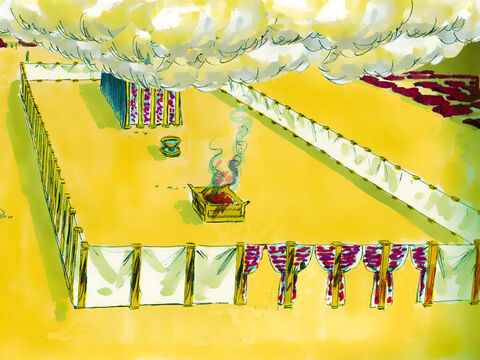
Yossi Feintuch: The Tabernacle and the Temple highlight Moses’ and David’s humility

Both Moses and King David respectively learned that even with their hefty merits they were not qualified in God’s eyes to either enter God's Sanctuary at will, or even build one. Neither Moses nor David could transcend their fallibility as humans, even as both – despite their distinguished status and standing – exemplified human humility before God.

Yossi Feintuch: No holy “cow”, no holy tablets of stone

What is the religious significance of Moses’ shattering the two tablets of stone upon seeing in his own eyes the abomination of the golden calf?