Yossi Feintuch: Forsaking motherhood for the sake of the child – biblical examples

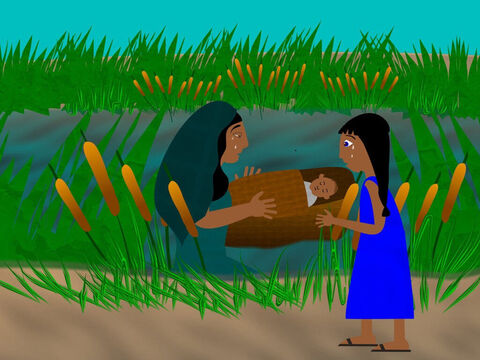
Given Moses' authentic Egyptian name  (Mose, i.e., "one who is born" and hence "son", as Robert Alter posits) given to him by his adoptive mother, as well as Moses' later overall self-identification as an Egyptian (alluded to in Exodus 2:19, 22), the immensity of Jochebed's selfless radical solution is self-evident — let my child live even if raised by an Egyptian.

Yossi Feintuch: Joseph knew that a full repentance required Remorse, Confession, and action Cessation — his brothers did it

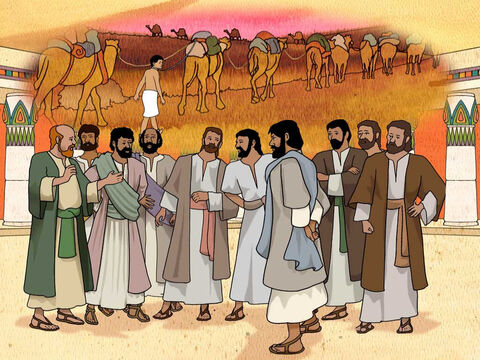
It is time now for Joseph to reveal his true identity – his brothers just completed a full regimen of penance; they experienced remorse, confessed their crime, and walked away from another opportunity to reiterate a similar woe.

Yossi Feintuch: Abraham, Jacob and Elkanah — husbands who failed to respond to their wives' infertility

Abraham, Jacob and Elkana failed in various degrees to understand the agony that their respective wives endured due to their bareness, or to offer prayer of hope and faith, even as all three resigned themselves to the status quo, while not attempting to debunk the idea that their wives’ infertility expressed God’s will.

Yossi Feintuch: Humanity's original diet produces the longest lifespan

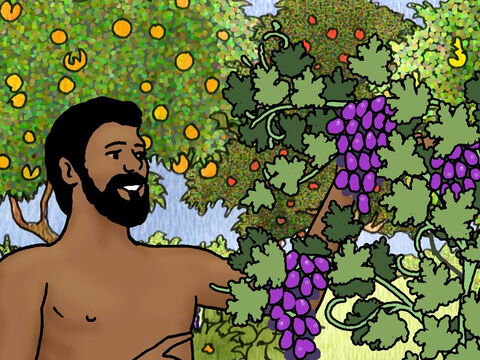
When it comes to food God exclusively and quickly weighs in with the first humans on the sustenance of all creatures; all were positively assigned the seeded plant and fruit produce, and “the green plants” on earth (Genesis 1:29). 

Yossi Feintuch: Why do we sympathize with Jonah? (He's so much like us)

Is it any wonder why Jonah is such a popular story that reminds many of their own way of thinking? How we use this story for upgrading the quality of our spiritual living is everybody’s challenge and sacred destination. 

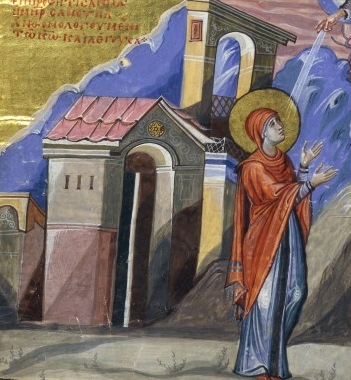
Yossi Feintuch: Thoughts on the Hannah narrative (1S,1)

Though she gave birth to several children P'ninah — Hannah's co-wife — taunted her for Hannah remained Elkanah's beloved. P’ninah's taunting is reminiscent of Hagar, who upon her quickly-becoming-pregnant exhibited an arrogant attitude towards Sara, her mistress, at whose demand Abraham took Hagar as a wife for progeny.

Yossi Feintuch: The Times for gladness

Numerous curses and horrific imprecations are listed in this weekly Torah portion, Ki Tavo, destined for those who do not heed the voice of God and observe the divine laws. Nevertheless no specific transgressions that would entail those terrible comeuppances are spelled out here except: ‘’…not having served the Lord your God in joy and with a good heart…’’ (Deuteronomy 28:47).